Globally, a large fraction of the disease burden is attributed to environmental contaminants, particularly enteric pathogens, which are transmitted via multiple pathways, including water, food, soil, and fomites. Further, microbial contaminants are garnering more public health attention at the global scale due to the emergence of antimicrobial resistance. Prioritization of strategies to interrupt the transmission of these microbial contaminants can be informed by environmental and exposure assessments to determine health risks associated with different behaviors and practices.

This talk will describe insight from multiple modeling and field investigations seeking to understand the transmission pathways of enteric pathogens in a variety of settings. Strategies for interrupting these transmission pathways will be discussed. Suggestions for improving global monitoring of environmental contamination will be provided, as well as recommendations for interventions to achieve equitable access to safe drinking water and sanitation.
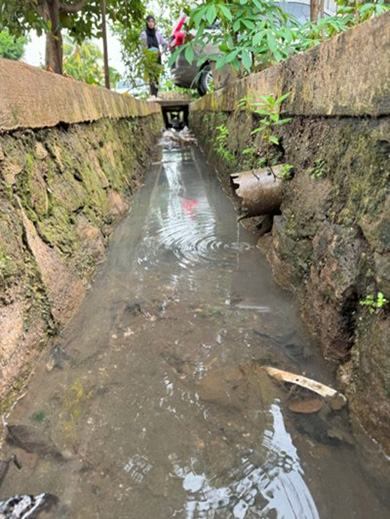
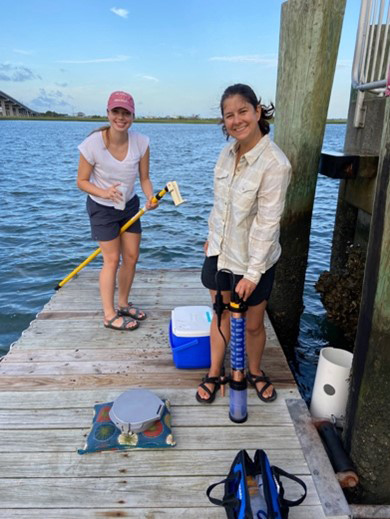
Angela Harris is an Associate Professor in the Civil, Construction and Environmental Engineering Department and member of the Global WaSH Research Cluster at North Carolina State University. Harris’s research broadly focuses on the environmental transmission of infectious diseases and developing and evaluating water, sanitation, and hygiene-related (WASH) strategies to protect human health. Harris also works to improve data collection and analysis strategies related to WASH and microbes in natural and built environments. She conducts research related to infrastructure resilience to climate change, and investigates how climate impacts microbial communities and environmentally-mediated transmission of disease. Harris conducts laboratory and field investigations in collaboration with diverse partners, with research sites in Malawi, Tanzania, Kenya, Bangladesh, Uganda, Indonesia, and the USA.