The practicing engineer’s constraint is no longer access to data; it is the capacity to make sense of it. Bridge inspection archives, nationwide freight records, and vessel traffic databases all contain answers to design questions, but at scales that traditional workflows were never built to handle. This presentation presents a practitioner’s perspective on closing that gap, using generative AI to build scalable data pipelines that collapse time-intensive analysis into tractable tasks.
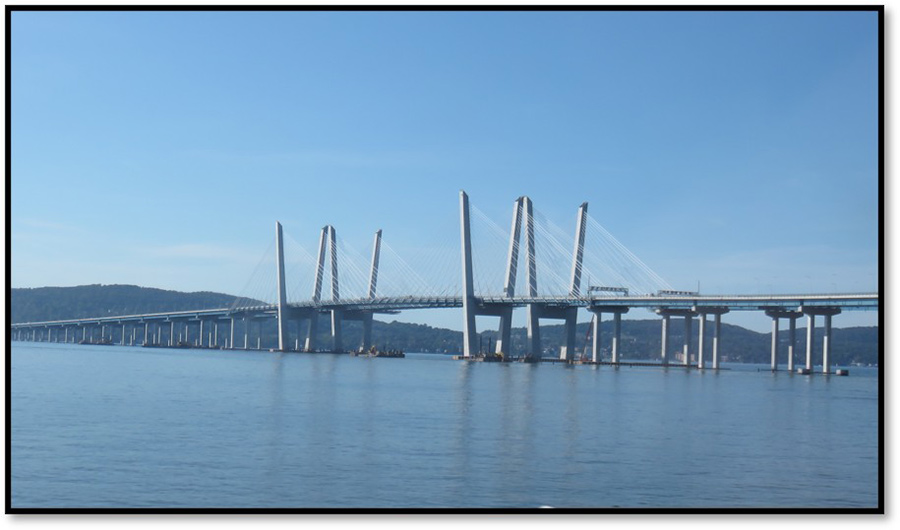
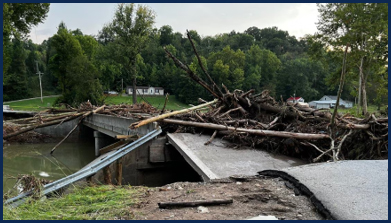
Real-world bridge engineering applications — real-time rainfall demands from NOAA records, true structural loads from billions of Weigh-in-Motion truck passages, refined collision risk from Coast Guard transponder data — demonstrate how the same approach informs both local design and regional decision making. The through-line is a changing professional identity: engineers as domain experts and system architects at once, with technology amplifying judgment rather than substituting for it.
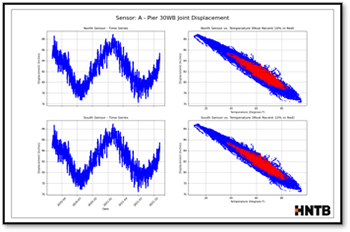
Erik Zuker, P.E. is a structural engineer in HNTB’s New York bridge group and has more than fifteen years of experience in the bridge industry. He received a master’s degree from Columbia and has taken on various roles at HNTB, including biennial inspector, designer of new and rehabilitated structures, construction support services coordinator on major projects, and, most recently, owner’s engineer at the Governor Mario M. Cuomo Bridge. A constant thread throughout his career has been the application of structural health monitoring, advanced nondestructive testing, and programming languages to evaluate large data sets.
Erik is also an AWS Certified Cloud Practitioner and routinely leverages cloud computing to post-process and analyze extreme weather and freight data. His projects focus on better quantifying demand on the transportation network and understanding the evolving risks that structures face. He also serves on NOAA’s advisory panel for engineering and architecture as part of the Industry Proving Ground (IPG) initiative.